
Share:
World Poker Tour (WPT) – Video Highlights & Full Series
World Poker Tour is a classic live poker series. It runs real tournaments in real casinos and attracts a mix of top professionals and serious recreational players. Most events are No-Limit Hold’em, with buy-ins that are high enough to matter but not limited to elite high-rollers only. A WPT title carries weight. Many well-known players built their reputation at these events, and final tables are treated as major achievements. The season-ending World Championship is the most important stop on the tour and often defines a player’s year.
147 episodes (111 hours 46 minutes)
-
FULL HOUSE on the River Cracks Pocket ACES at WPT Live Cash Game0:35:15
-
FULL HOUSE on the River at the WPT Wildcard LIVE Cash Game0:38:27
-
Magnus Carlsen's ALL IN With QUADS on the Turn at LIVE Cash Game0:30:13
-
Two TRIPS in a Row – Alex Botez Shines in Vegas LIVE Cash Game!0:30:41
-
$253,300 Pot - Straight and Flush Combo Steal the Show in Live Cash Game0:24:08
-
FULL HOUSE, Big Stakes: Ladies Night at LIVE Cash Game0:20:36
-
A $190,400 Pot and a BOLD BLUFF That Got Called at High Stakes Live Cash Game0:18:44
-
$2,280,000 Prize Pool at the WPT Mystery Quest Live Final Table0:31:36
-
POCKET ACES Get Cracked in a 1,510,000 Mystery Quest Final Table Pot0:36:14
-
Phil Hellmuth in an 8,900,000 Pot After a Flopped Straight Appears0:19:14
-
POCKET ACES and an 8,500,000 Pot Test His Nerves at the WPT Final Table0:18:44
-
Poker Pro Rivers a FULL HOUSE in an 11,800,000 Pot at the WPT Final Table0:18:19
-
Pocket KINGS Become a SET for 10,000,000 at the WPT Final Table0:15:15
-
From TRIPS to QUADS in Seconds at the WPT Final Table0:15:59
-
Pocket ACES Smash the FLOP for a MASSIVE Pot at the WPT Final Table0:18:46
-
Pocket JACKS Become a FULL HOUSE on the FLOP at WPT Final Table0:17:50
-
The Most Savage Bluff Attempt for 12,600,000 in WPT Final Table History0:17:55
-
River FLUSH DESTROYS MONSTER HAND at WPT Final Table0:16:24
-
8,760,000 Pot: WPT Drama Unfolds with Unbelievable Suckouts0:17:09
-
POCKET JACKS Turn the Tables for 10,500,000 in WPT Tournament Showdown0:18:24
-
10,000,000 On The Line: Epic Runner Runner Moments at WPT Tournaments0:20:24
-
Bluffing Gone Wild: Epic Poker Moments at Thrilling WPT Tournaments0:17:14
-
$14,000,000 Up for Grabs in Three Epic WPT Tournaments3:46:20
-
ALL IN for MASSIVE 20,500,000 Pot at WPT World Championship0:18:34
-
River Ace Completes the Comeback for 8,950,000 at WPT World Championship0:20:16
-
13,200,000 Pot Showdown: ACES Face Off at the $23,000,000 WPT Championship0:20:29
-
$4,728,750 at the WPT World Championship Final Table0:36:45
-
Poker Pro Hits a STRAIGHT on the TURN for 13,800,000 at WPT World Championship0:23:11
-
Bold Bluff or Big Mistake at the $23,000,000 WPT World Championship?0:20:53
-
3-WAY FLUSH DRAW for MASSIVE Pot At $23,000,000 WPT World Championship0:24:42
-
Poker Pro BETS It ALL for 11,350,000 With ACES At $23,00,000 WPT World Championship0:36:35
-
Poker Pro Tries to BLUFF Against a FLUSH for 8,200,000 at $23,000,000 World Championship0:40:50
-
A FULL HOUSE for 3,400,000 at WPT World Championship at the Wynn0:24:20
-
12,525,000 Pot on the Line and a BLUFF That Could Change EVERYTHING at the World Championship!0:30:17
-
Major ALL IN Move for 8,200,000 at THRILLING WPT World Championship0:26:34
-
Who Folds Ace-King? A Poker Pro Walks Away from a Big Pot at LIVE Cash Game0:26:03
-
Poker Queen Goes ALL IN With POCKET ACES at Live Cash Game0:32:13
-
Poker Pro’s FLUSH Takes Down a $111,200 Pot at LIVE Cash Game0:39:56
-
Poker Queen Goes ALL IN With ACES for $140,000 at High Stakes LIVE Cash Game0:23:43
-
POCKET ACES ALL IN for MASSIVE $70,000 Pot at LIVE Cash Game0:23:28
-
Poker Queens With ACES for Massive Pot at Live Cash Game0:18:18
-
SHOCKING Walk-Off: All-In SHOWDOWN at WPT Live Cash Game at the Wynn0:31:25
-
POCKET ACES Become a FULL HOUSE at Crazy High Stakes Live Cash Game0:28:51
-
POCKET KINGS and ACES for $62,575 at Live High Stakes Cash Game0:33:19
-
ALL IN for $403,800 With a FULL HOUSE at Thrilling Live Cash Game0:26:03
-
$1,161,135 to FIRST at the Five Diamond World Poker Classic Final Table0:27:14
-
$1,015,460 to FIRST at WPT LA Poker Classic Final Table0:34:37
-
$6,559,442 Prize Pool Split Between Legends at Borgata and Festa al Lago Final Tables1:53:50
-
Huge Bet with a STRAIGHT Wins 2,900,000 at Five Diamond Final Table0:29:20
-
$4,355,300 at the Five Diamond World Poker Classic Final Table0:19:35
-
QUADS for 104,400,000 at 2024 WPT Prime Championship Final Table0:33:56
-
$2,738,435 at WPT Montreal Final Table0:38:56
-
$3,899,400 at the Bellagio Cup V Final Table0:42:17
-
$2,020,930 at the Fallsview Poker Classic Final Table0:33:42
-
Relive The Moment: $23,000,000 at the 2024 WPT World Championship Final Table0:34:59
-
Pocket Jacks vs. Pocket Queens for 14,000,000 at 2024 WPT World Championship0:27:18
-
Ace High FLUSH for 7,820,000 at 2024 WPT World Championship0:30:46
-
ALL IN for 1,805,000 at the 2024 WPT World Championship0:33:19
-
TWO PAIR for $95,000 at LIVE High Stakes Cash Game at 2024 WPT World Championship0:29:06
-
$114,600 at HIGH STAKES Live Cash Game at 2024 WPT World Championship0:35:49
-
$6,970,000 Poker Duel: Super High Roller and World Championship Action2:49:11
-
Two Way ALL IN For $162,800 at HIGH STAKES Live Cash Game0:26:33
-
$325,000 With a FULL HOUSE at High Stakes PLO Cash Game0:20:36
-
Explosive Showdown: ALL IN For $537,000 at LIVE PLO Cash Game0:25:24
-
ACE for the WIN: $188,100 at SUPER HIGH STAKES Cash Game0:22:33
-
She's in the DREAM Spot with QUADS at the WPT Ladies Cash Game0:46:44
-
A Wild RUN and the PERFECT Flop at WPT's Live High Stakes PLO Cash Game0:32:22
-
THIS IS HOW He Wins It All Back, $275,100 at WPT LIVE Cash Game0:26:31
-
EPIC BLUFF Against a PAIR of ACES for a CRAZY Pot at LIVE Cash Game0:23:45
-
POCKET ACES for $105,900 at SUPER HIGH Stakes Cash Game0:16:09
-
$925,514 to FIRST With THREE of a KIND at WPT Final Table0:25:39
-
$910,058 to First at WPT World Poker FINALS0:23:52
-
EPIC WIN: POCKET QUEENS for 1,490,000 WPT World Poker FINALS0:27:12
-
$1,218,225 to First at WPT Festa al Lago Final Table0:27:05
-
3,565,000 With THREE of a KIND at Bellagio 5 Diamond FINAL TABLE0:27:58
-
$443,000 at Ladies Championship FINAL TABLE0:35:51
-
$4,001,250 at WPT Festa al Lago Final Table0:30:39
-
$3,321,377 at WPT World Poker FINALS0:26:54
-
$1,187,670 to First at Bellagio Cup V Final Table0:27:38
-
$1,386,280 to First at WPT Prime Championship FINAL TABLE0:37:22
-
RELIVE Poker History: $40,000,000 at WPT World Championship Final Table0:59:07
-
INSANE World Championship Moments at the Wynn Las Vegas3:27:13
-
See Poker History Made: $5.25M WPT World Championship Best Highlights!2:51:27
-
Poker Legends in Action: Best of the $40 Million WPT World Championship!2:56:16
-
Poker Legends Made: Best of the $40M WPT World Championship3:08:59
-
The Flip That Changed Everything: 287,100,000 on the Line!2:12:17
-
$1,240,000 at Monster WPT Tournament of Champions1:20:59
-
$9,400,000 at the 2024 WPT Prime Championship in Las Vegas0:33:54
-
Pocket Jacks vs. Pocket Queens for 14,000,000 at 2024 WPT World Championship0:27:18
-
WPT Prime Thailand Exhibition Championship Day 1C to ITM / 1D11:42:48
-
WPT Prime Thailand Exhibition Championship Day 33:14:21
-
WPT Cyprus Championship | Day 311:54:56
-
WPT Cyprus Championship | Final Table6:51:02
-
High Stakes Prize Pool Over $2,000,000 Poker Tournament0:23:48
-
Final Showdown for OVER $2,000,000 Pot At WPT Legends of Poker0:23:35
-
$26,000 Pot Won At WPT $25/$50 Ladies' Cash Game!0:27:51
-
$421,600 Pot WON At Rail Heaven High Stakes Cash Game0:25:37
-
WPT $25/$50 Vlogger Cash Game - Lynne Ji Goes All In!0:19:55
-
ALL IN For OVER $54,000 Pot - WPT High Stakes Cash Game0:21:24
-
ALL IN $125,000 Pot In Theta Network WPT Cash Game0:28:45
-
$41,700 Pot in WPT Vegas Cash Game0:22:11
-
Flopped SET of Fives in $48,400 Pot0:23:18
-
$32,000 Pot in Action WPT Vegas Cash Game0:22:55
-
Nearly $400,000 Pot In Theta Network WPT Cash Game0:29:28
-
1,300,000 Pot at Legends of Poker FINAL TABLE0:23:26
-
$2,430,820 Prize Pool at The Legends of Poker - Final Table0:23:52
-
$184,000 Gus Hansen Came to Collect at WPT Final Table0:07:50
-
FLUSH Draw Wins 2,220,000 Pot At FINAL TABLE0:23:42
-
$5,026,800 At Bay 101 Casino FINAL TABLE0:24:00
-
FINAL SHOWDOWN for C$1,900,000 POT WPT Tournament0:22:08
-
C$1,900,000 at Fallsview Poker Classic FINAL TABLE0:22:26
-
SET OF QUEENS At C$1,910,221 Fallsview Final Table0:20:36
-
$3,000,000 Prize Pool at FINAL TABLE WPT Tournament0:30:04
-
$2,700,000 Prize Pool At WPT High Roller Event0:33:54
-
$779,000 Pot Won At WPT Five Diamond World Poker Classic0:07:51
-
Can POCKET QUEENS Win This $258,000 Pot? - Legends of Poker Tournament0:07:46
-
ALL IN For Over $1,600,000 Pot At The Five Diamond Poker Classic0:07:52
-
POCKET ACES Takes Down A 725,000 Pot At Bay 101 Casino0:22:26
-
POCKET ACES Wins OVER $1,000,000 CASH In WPT Tournament0:23:25
-
A FULL HOUSE Wins 2,020,000 Pot At WPT Tournament0:20:38
-
THRILLING WPT Tournament For $5,164,800 Prize Pool0:25:59
-
$712,650 FIRST PLACE at WPT Prime Championship Final Table0:29:22
-
35,600,000- ACE HIGH STRAIGHT Win at WPT Prime Championship0:33:52
-
POCKET ACES Win 37.4 Million at WPT Prime Championship0:27:37
-
Fighting for $1,138,350 to FIRST0:10:23
-
The WORST MOMENT To Move ALL IN0:14:27
-
DEVASTATING TURN Cards that CRUSH Opponents0:09:26
-
Freddy Deeb FIGHTING for $675,9420:07:40
-
MIKKI Flops the NUTS in $132,000 POT!0:09:48
-
Erik Seidel with MAX PRESSURE0:10:52
-
Scott Seiver with an Unexpected ALL IN0:09:45
-
4 SICK Poker BLUFFS at the FINAL TABLE0:09:30
-
$2,151,072 at Legends of Poker FINAL TABLE0:24:02
-
$3,700,000 POT with ACES at WPT Final Table0:08:27
-
THREE-WAY ALL IN AT $5,126,400 FINAL TABLE0:17:38
-
SET OF QUEENS At $3,121,980 Final Table0:21:48
-
POCKET KINGS At The Final Table! (Sick Poker Run)0:17:25
-
$3,623,532 at Borgata Poker Open FINAL Table0:07:59
-
SET Over SET at a WPT Final Table!0:08:54
-
SICK Poker Coolers at the FINAL TABLE0:12:20
-
POCKET ACES At The $3,142,663 Poker Final Table0:23:52
-
Wow... She Flops The Nuts And Get Check-Raised!0:08:27
-
Online Poker LEGEND Crushes A Live Tournament0:16:45
-
$1 MILLION CASH ON THE TABLE! Big Money Poker Tournament0:24:45
-
FLOPPED STRAIGHT with a $3,438,600 Prize Pool0:12:39
-
Flopping QUADS in a 5,830,000 Pot!0:07:55
-
FOLD ACES in this Spot?0:07:46
-
13 Jan 2026
FOLD ACES in this Spot?
-
13 Jan 2026
Flopping QUADS in a 5,830,000 Pot!
-
13 Jan 2026
FLOPPED STRAIGHT with a $3,438,600 Prize Pool
-
13 Jan 2026
$1 MILLION CASH ON THE TABLE! Big Money Poker Tournament
-
13 Jan 2026
Online Poker LEGEND Crushes A Live Tournament
-
13 Jan 2026
Wow... She Flops The Nuts And Get Check-Raised!
-
13 Jan 2026
POCKET ACES At The $3,142,663 Poker Final Table
-
13 Jan 2026
SICK Poker Coolers at the FINAL TABLE
-
13 Jan 2026
SET Over SET at a WPT Final Table!
-
13 Jan 2026
$3,623,532 at Borgata Poker Open FINAL Table
-
13 Jan 2026
POCKET KINGS At The Final Table! (Sick Poker Run)
-
13 Jan 2026
SET OF QUEENS At $3,121,980 Final Table
-
13 Jan 2026
THREE-WAY ALL IN AT $5,126,400 FINAL TABLE
-
13 Jan 2026
$3,700,000 POT with ACES at WPT Final Table
-
13 Jan 2026
$2,151,072 at Legends of Poker FINAL TABLE
The World Poker Tour (WPT) is one of the most famous poker tournament series in the world. It has been running since 2002 and brings together professional and amateur players from many countries. This overview explains how the WPT started, where its tournaments are shown, and how players can take part. You will also find key facts about champions and top earners.
WPT was created in 2002 by Steven Lipscomb, a television producer who wanted to bring poker to a wider audience. He led WPT Enterprises as CEO until 2009. Today, the company is run by Adam Pliska, who was named American Poker Awards Person of the Year in 2014.
From the beginning, the goal of the tour was to combine live poker tournaments with high-quality TV coverage. This approach helped WPT become one of the most recognizable brands in poker.
The first WPT season took place in 2002. The opening event was held on May 27 at the Bellagio Casino in Las Vegas. The buy-in was $12,000, and 146 players joined the tournament. As a result, the total prize pool exceeded $1.4 million.
The winner was Gus Hansen, whose aggressive style quickly made him a fan favorite. He earned $556,480 for first place. John Juanda finished second, while Freddy Deeb placed third. That year, the tour included 13 events.
Later in the season, WPT hosted its first World Championship, the most important tournament of the year. The event started on April 14 and attracted 111 players. The prize pool reached $2,716,750. Many poker legends took part, including Doyle Brunson, Phil Ivey, and Phil Hellmuth. The title went to Alan Goehring, second place was taken by Russian player Kirill Gerasimov, and Phil Hellmuth finished in third.
Since then, the World Poker Tour has been held every year without interruption. Players earn points for their results, and the best performers compete for the Player of the Year title.
Tournament Formats and Buy-Ins
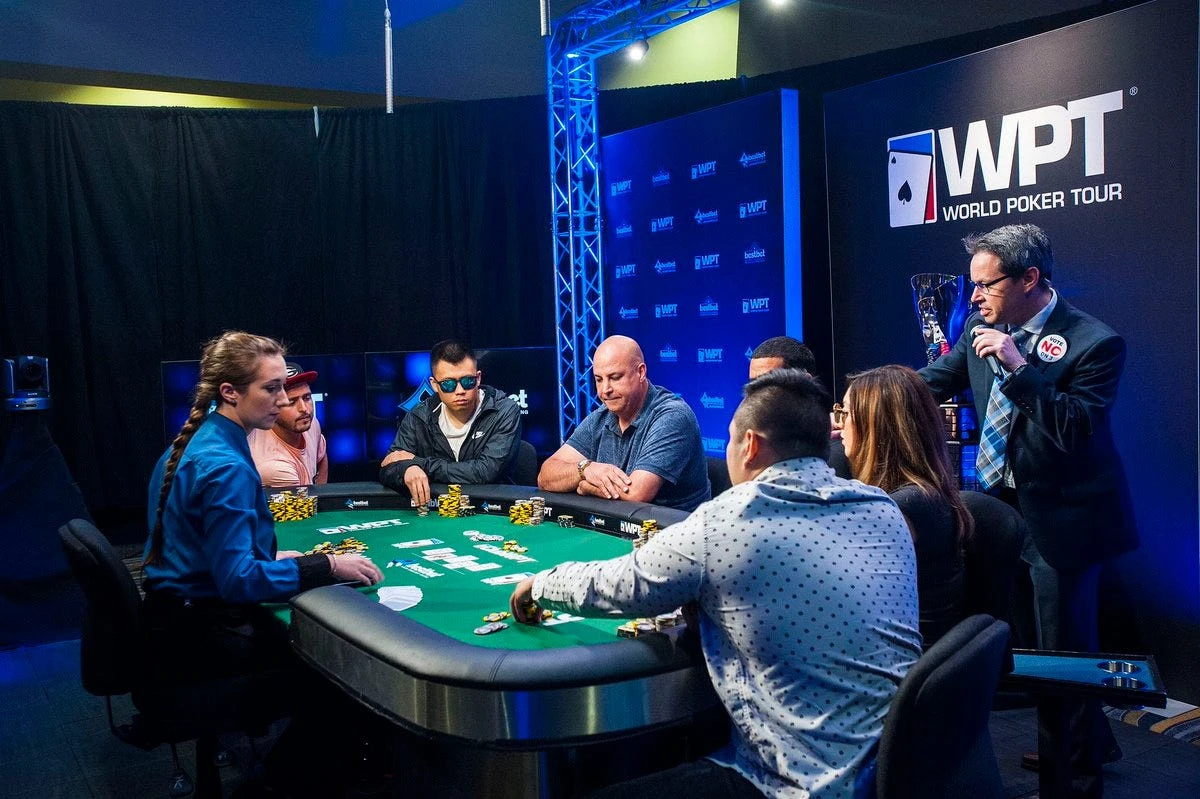
Most WPT events are played in No-Limit Texas Hold’em. Main live tournaments feature buy-ins ranging from $3,000 to $10,400.Structures are generally deep enough to reward skill, but still accessible compared to super high-roller series. This balance helped WPT attract both experienced professionals and serious amateur players. Blind levels increase gradually, and starting stacks are usually larger than in standard casino tournaments.
Final tables are a key part of the WPT experience. They are filmed separately and often played on a later date to meet broadcast standards. This format adds pressure and creates a unique atmosphere that many players consider a highlight of the tour.
In addition to the Main Tour, WPT introduced Prime events. These tournaments come with lower buy-ins and are aimed at a broader audience, while still offering a WPT title and meaningful prize pools. This two-level system helped the tour grow without losing its identity.
WPT Compared to Other Poker Series
When compared to other major tours, such as the WSOP or EPT, WPT stands out for its consistent branding and media presence. While the World Series of Poker is known for its massive fields and bracelets, WPT focuses more on prestige titles and long-term rankings.
The Player of the Year system rewards steady performance rather than single big wins.
This approach highlights players who show strong results throughout the season, not just in one event.
WPT Titles and Prestige
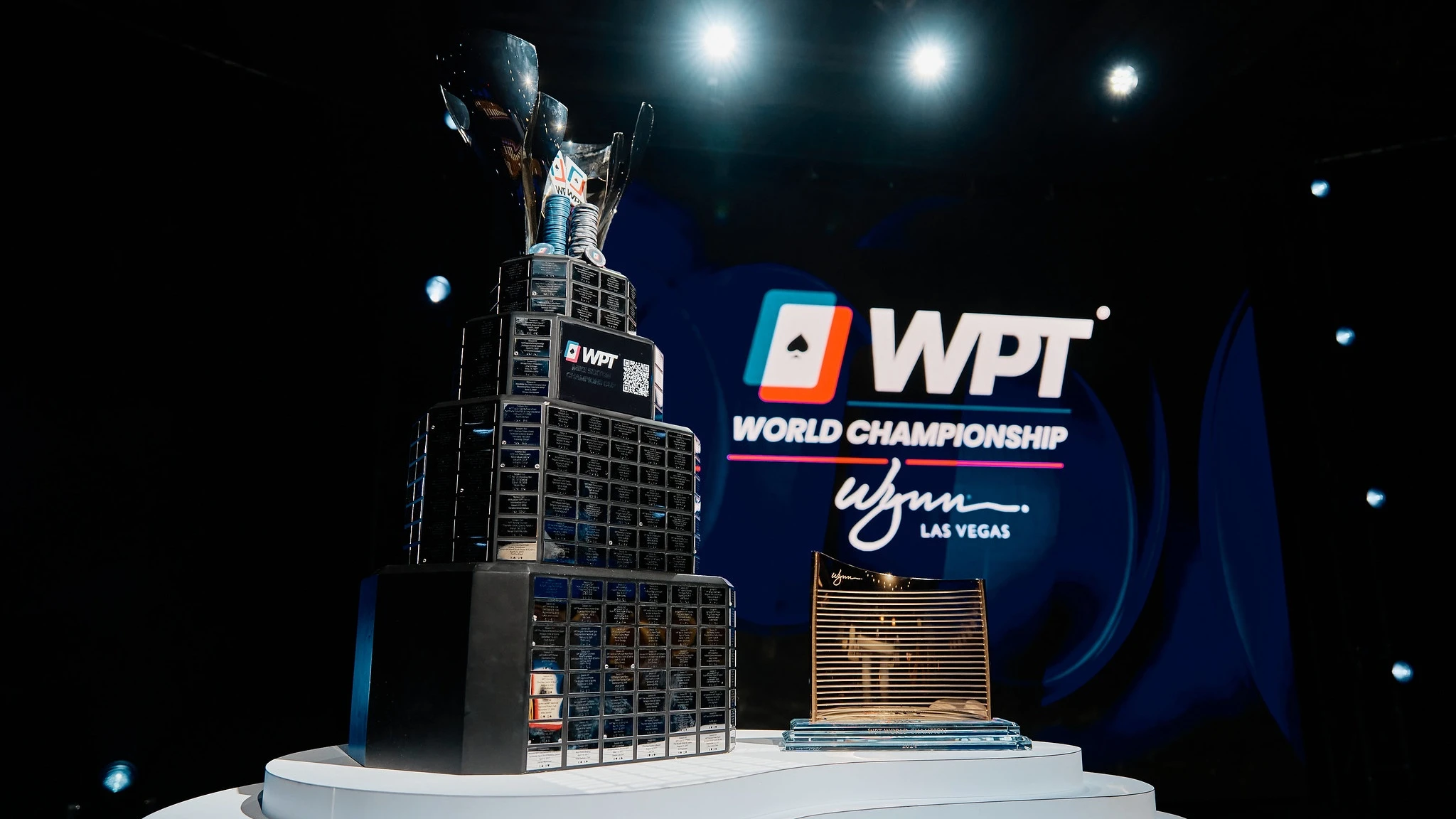
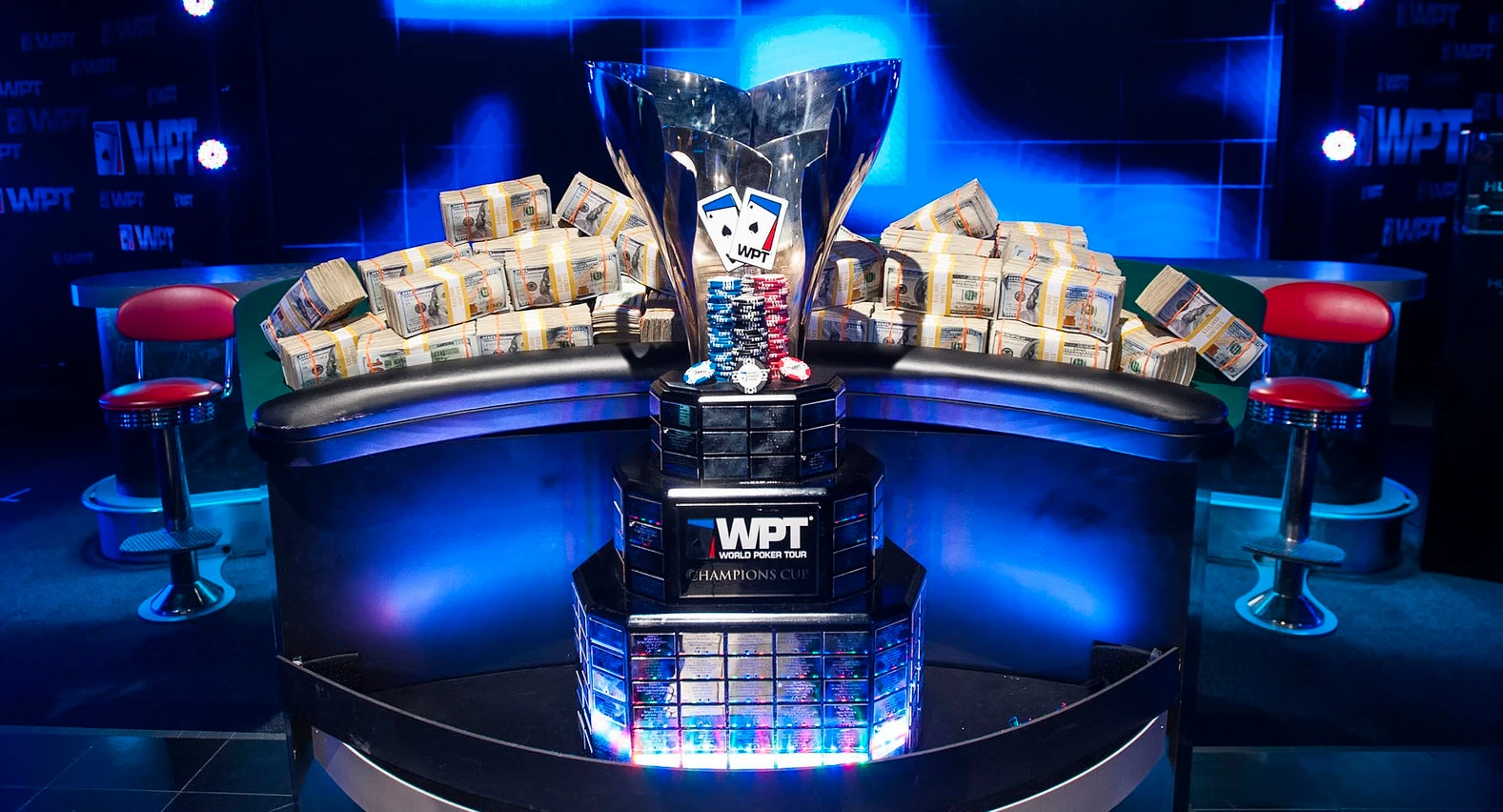
Winning a WPT title has always carried weight in the poker world. Champions receive a trophy and a seat in the WPT Champions Club, which remains one of the key symbols of success within the series. Unlike one-off festival wins, WPT titles are closely tied to long-term recognition and historical records.
Players with multiple WPT victories are often viewed as specialists in deep-field live tournaments. Consistent results across different locations and seasons are highly valued, especially in the Player of the Year race.
WPT Records and Top Players

Over the years, the World Poker Tour has produced many standout performances. Some players became WPT legends thanks to multiple titles, while others set records through consistent deep runs and high total winnings. These results show not only individual success, but also how competitive the tour has been since its early days.
Below are some of the most successful players in WPT history based on total earnings from WPT events:
|
Player |
Country |
Total WPT Earnings ($) |
|
Carlos Mortensen |
Spain |
6,738,670 |
|
Daniel Negreanu |
Canada |
6,613,553 |
|
Michael Mizrachi |
USA |
5,160,972 |
|
Fedor Holz |
Germany |
5,123,928 |
|
Darren Elias |
USA |
4,694,744 |
Carlos Mortensen remains one of the most important figures in WPT history. He was the first player to win both a WPT title and the WSOP Main Event, setting a standard few have matched.
Up next is Daniel Negreanu, who earned his place through steady results and strong performances over many seasons. Darren Elias stands out for winning multiple WPT titles, proving long-term dominance rather than one-time success.
Modern WPT and Global Expansion
Over the years, the World Poker Tour has changed its format and structure, but the core idea has remained the same: large live tournaments with strong fields and clear prestige. What started as a U.S.-focused tour has gradually expanded into a global brand. WPT events have been held across Europe, Asia, Australia, and Latin America, often in partnership with major casinos and poker rooms.
This international approach allowed the series to stay relevant even as the live poker landscape became more competitive. While some tours focused on volume, WPT continued to emphasize quality venues, solid organization, and recognizable branding.
WPT on Television and Online
WPT is known not only for its tournaments but also for its TV show. The series has been broadcast since 2003 and is now shown in more than 150 countries. Many people first became interested in poker after watching WPT, which played a major role in the poker boom in the United States.
The broadcasts focus on Main Tour events and feature commentary from Tony Dunst and Vince Van Patten.

Today, WPT content is available worldwide through various streaming platforms, including Pluto TV, Redbox, Fubo, Sling, Xumo, Theta.tv, and Freevee. Fans can also watch streams on Twitch and YouTube. In addition, WPT offers an official mobile app for iOS and Android, where users can watch replays and past episodes.
Why WPT Matters in Modern Poker
The World Poker Tour played a major role in making poker a mainstream game. Its focus on storytelling, player profiles, and clear television coverage helped viewers understand the game better.
Unlike earlier broadcasts, WPT showed hole cards and explained key decisions, which made poker more accessible to new audiences.
Even today, WPT remains an important platform for players looking to build a reputation. A deep run or a title win can bring media attention, sponsorship opportunities, and invitations to other major events.

Now here’s some more interesting facts about WPT poker series:
- The World Poker Tour began in 2002. It was one of the first poker shows made for television.
- WPT became popular because viewers could see players’ cards. This changed how poker was watched on TV.
- A WPT title is still a big achievement. Winners have their names added to the Champions Cup.
- Most WPT tournaments use long blind levels. This gives players more time to make decisions and play real poker.
- The tour has been held in many countries, not only in the USA. Events have taken place in Europe, Canada, and Asia.
- Many well-known players won important titles on the WPT early in their careers.
- Final tables on the WPT are often slow and tense. Players already have money locked up, but the jumps are huge.
- WPT Prime events were created for players who want live tournaments with lower buy-ins and large fields.
Even after more than 20 years in, WPT is still one of the main live poker series in the world.
Final Thoughts
The importance of the World Poker Tour goes beyond individual tournaments. Its television format helped shape how poker was presented to a mass audience. Hole-card cameras, edited storytelling, and recognizable commentators turned poker into watchable entertainment without losing its competitive nature.
For many players and fans, WPT was the first exposure to professional tournament poker. Even today, the series is often associated with the early growth of poker as a global mind sport rather than a niche casino game.
The World Poker Tour is not the biggest series by volume, nor the most expensive by buy-in. Its strength lies elsewhere. WPT represents stability, tradition, and long-term credibility. It has survived industry shifts, online booms, and changing player preferences without losing its place in the poker ecosystem. For players, a deep run or a title on the WPT still means something. For the poker world as a whole, the tour remains one of the foundations on which modern live tournament poker was built.
Leave your comment

Guest
Comments
 Getcoach
There are no comments here yet, you can be the first!